

European experts tour the Slovak–Hungarian border region starting from Košice
An international professional study visit has started from Košice to showcase four projects implemented under the Interreg Slovakia–Hungary programme. Representatives of Managing Authorities and National Authorities from different Interreg programmes, EU project leaders, members of regional governments and development agencies, as well as experts from the European Commission have been able to see firsthand how some cross-border projects are changing the landscape in this rural area. The two-day visit has included several locations on both sides of the border, with a focus on practical results: job creation, local economic development, and improved quality of life in border communities.
The Slovak–Hungarian border region faces a number of challenges, including outmigration, limited labour market opportunities and restricted access to services. At the same time, it has significant local potential. The Interreg programme implemented in cooperation between Hungary and Slovakia aims to unlock this potential through joint development initiatives through a Territorial Action Plan for Employment for the area, known as “TAPE”. This methodology might be replicated to other European rural areas and how to do so was largely discussed by all participants.
Developments on the ground
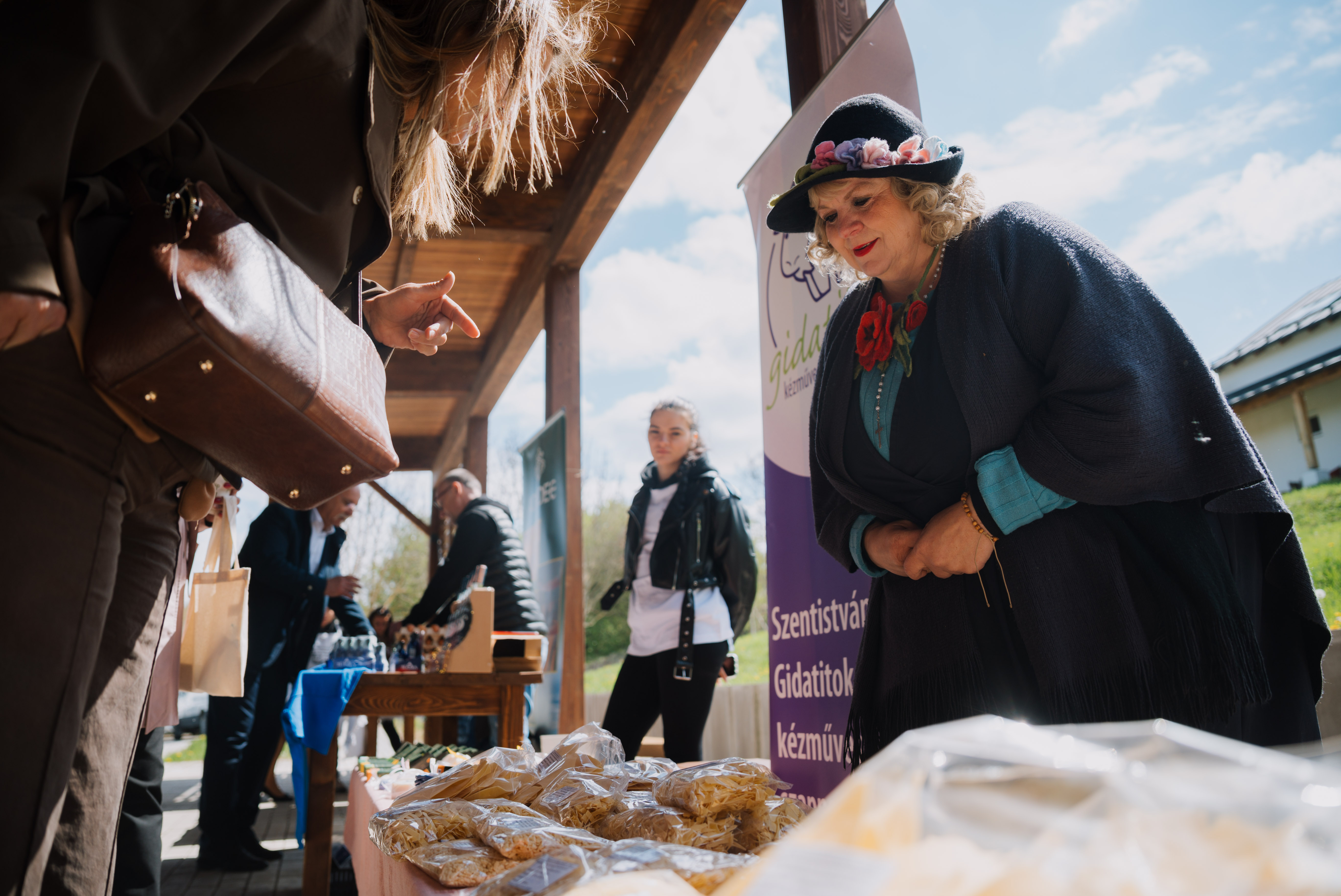
Projects implemented in the Cserehát region have, among others, created new local marketplaces in Buzica and Moldava nad Bodvou (Slovakia), as well as in Encs, Hidasnémeti and Gagyvendégi (Hungary). These new marketplaces not only provide sales opportunities for local producers but also serve as community meeting points. The training centre established in the St. Stephen’s House in Gagyvendégi further strengthens the local economy.

Local food production is supported through the development of small-scale processing capacities, such as the sauerkraut processing facility in Hidasnémeti. These investments contribute to business development and the creation of new jobs.
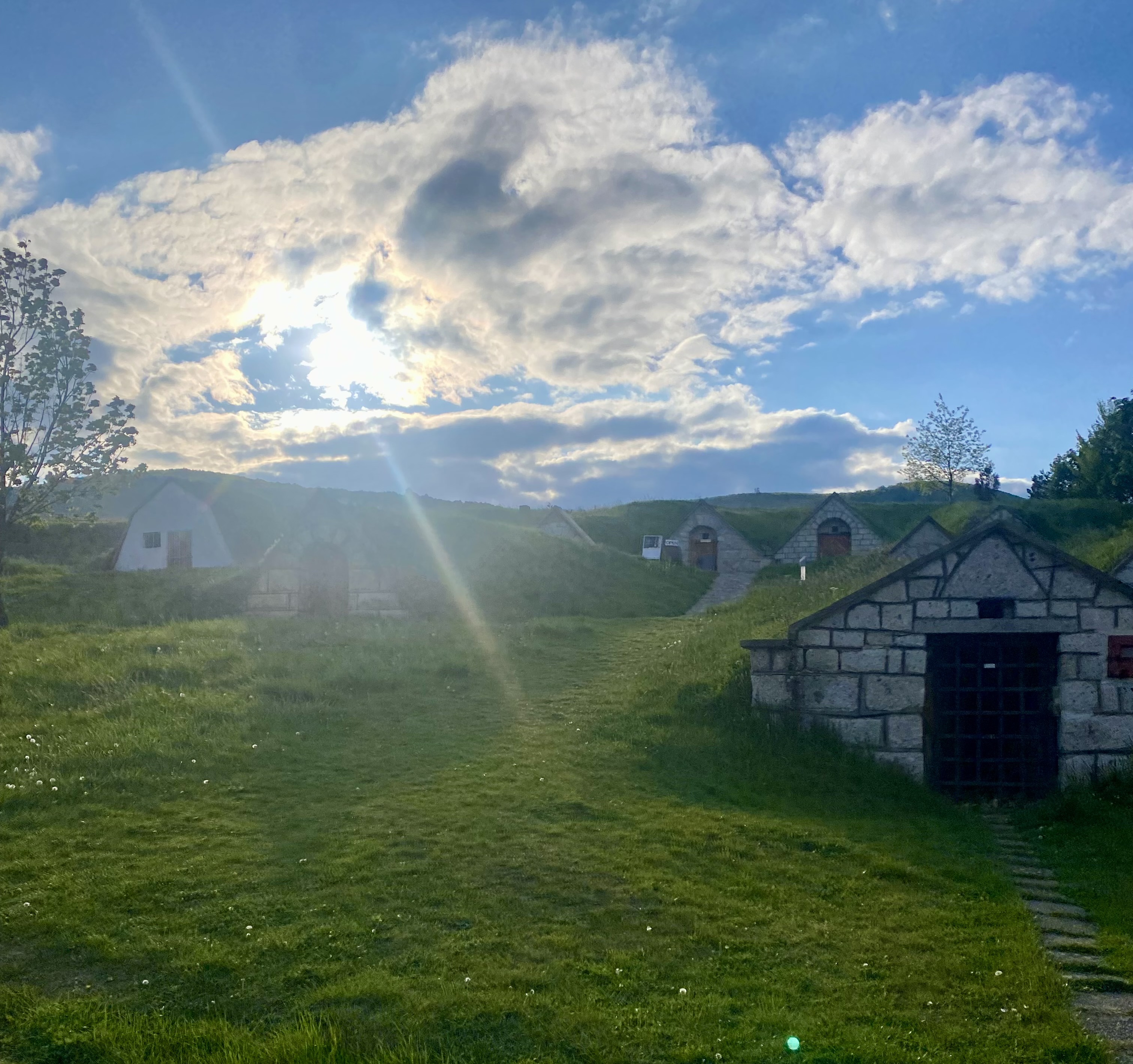
In the field of cultural heritage, historic wine cellars listed as part of the UNESCO World Heritage in Hercegkút (Hungary) and Malý Horeš (Slovakia), together with the related infrastructure, have been renovated, giving new momentum to tourism while preserving local traditions.

In the social sphere, centres supporting active ageing in Košice and Miskolc help older people remain engaged in community life, reducing isolation. With more than 1.000 seniors, these centres organize around 200 weekly activities in areas such as health, dancing, crafts and crocheting, IT skills, finance, gardening or cooking and help them stay mentally active and create social bound with their peers.
Cooperation that delivers
The study visit offered a valuable platform for knowledge exchange and discussion of shared challenges. Seeing projects in operation gave participants concrete, real-world insight to inform future development policy.
Cross-border cooperation, this visit made clear, is not just a policy concept: it is delivering for real people and real communities, building a more liveable and resilient region on both sides of the border.
Header photo: Interreg projects displayed in Via Carpatia EGTC premises in Košice (Slovakia).