

How can young people shape the future of Interreg? The Italy-Croatia case
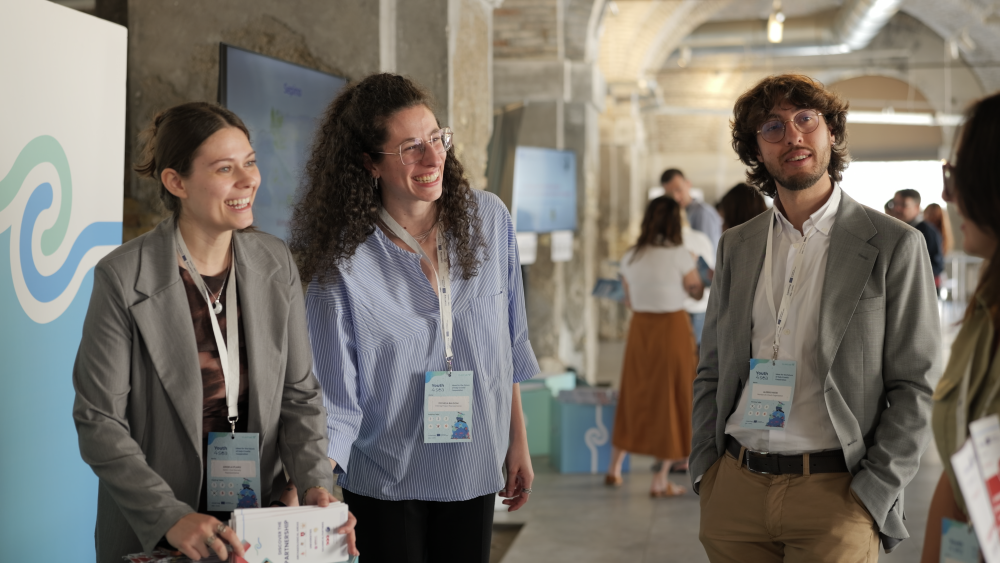
This is one of the concrete steps emerging from Youth4Sea, the Interreg Italy-Croatia Programme's 2026 Annual Event, held on 25 May in Ancona, Italy. Bringing together around 200 young people, project beneficiaries, institutional representatives and Programme stakeholders, the event explored how younger generations can play a more active role in European territorial cooperation.
One message stood out: meaningful youth engagement cannot be limited to one-off initiatives or symbolic involvement. It requires continuity, trust and genuine opportunities for young people to contribute.
From participation to influence
Across different Interreg experiences, examples already exist of ways to involve young people in cooperation activities. However, a further step is needed, particularly at project level.
Rather than simply taking part in activities designed by others, young people should have opportunities to contribute to the design and implementation of initiatives, bringing their own perspectives and ideas.
This also means creating opportunities for young people to participate in discussions and decision-making processes, including within programme structures.
This is already taking shape in the Interreg Italy-Croatia Programme. The Task Force preparing the 2028–2034 programme has approved the participation of youth representatives as advisory members. Their selection and contribution are now being shaped through a questionnaire inviting young people to share their interests, skills, perspectives and expectations. Their input will also help inform a learning and empowerment pathway, offering opportunities to develop skills and connect with peers, projects and organisations across Italy and Croatia.
The exchanges at Youth4Sea highlighted the importance of stronger intergenerational cooperation, supported by local initiatives, pilot actions, mentoring and educational opportunities.
Making Interreg easier to access
Another challenge raised by young participants was the complexity of the Interreg landscape. People working within Interreg may believe that opportunities are open to younger generations, but young people do not necessarily know where to find information or how to get involved.
If opportunities remain accessible only to those who happen to find their way into the Interreg community, many potential participants will be left out.
Making Interreg more accessible therefore requires clearer information and communication that speaks to different groups of young people, recognising that they have different interests, experiences and ways of engaging.
Participants called for simpler language, authentic stories and communication formats that feel relevant to younger audiences. But reaching young people should not stop at social media. Youth organisations and other networks already connected to younger generations can also help spread information and act as peer promoters, bridging the gap between institutions and young audiences.
Initiatives such as Interreg Volunteer Youth (IVY) also offer opportunities for young people to gain direct experience of European cooperation. Face-to-face activities remain important too, providing space for dialogue and the development of lasting connections.
The Interreg Italy-Croatia Programme has also launched a dedicated Youth section on its website. It brings together information in a more accessible format, helping young people understand the Programme and explore opportunities to get involved.

Shaping a youth-friendly future for the Adriatic area
The discussions at Youth4Sea moved beyond identifying challenges to exploring how a more youth-friendly future for the Interreg Italy-Croatia area could take shape.
During the afternoon, participants worked together to develop a Youth Vision Board, with a graphic recorder capturing the ideas and messages emerging from the discussions.
The exchange highlighted several priorities. These included creating more opportunities for young people to influence programme activities, strengthening intergenerational cooperation and supporting young people's opportunities to learn, work and innovate across the Adriatic area.
The blue economy and environment were among the themes discussed. Participants highlighted the potential of environmental protection as a career field and called for more practical, learning-by-doing opportunities, alongside stronger links with local initiatives addressing challenges in the Adriatic region.
Innovation was also understood in broader terms: not only as technological development, but as something that can grow through inclusive education, knowledge-sharing and integration.
The ideas gathered at Youth4Sea will feed into future Interreg Italy-Croatia initiatives. The Youth Vision Board and the event's graphic recording are available through the Programme's youth engagement initiatives page.
Giving young people a real role in cooperation
Youth4Sea highlighted an important distinction: giving young people a voice is only the starting point. Meaningful engagement means creating opportunities for them to contribute, influence decisions and help shape cooperation.
For Interreg, this means looking beyond occasional youth-focused activities and considering how younger generations can become more actively involved in the way programmes and projects are designed and implemented.
The challenge is not simply to reach young people, but to make sure that their participation can make a difference.
More information about the event is available here.
Header photo: A detail of the live graphic recording, showing young people pointing the way forward alongside the message: 'Young people must be actively involved'. © Interreg Italy-Croatia Programme