

How TakeUP is helping Interreg programmes strengthen project impact
The TakeUP approach, developed by the Interreg North Sea Programme, was created to address that challenge. Built around a framework known as the '7 essentials', it aims to help projects plan for the long-term use, transfer and reuse of their results from an earlier stage.
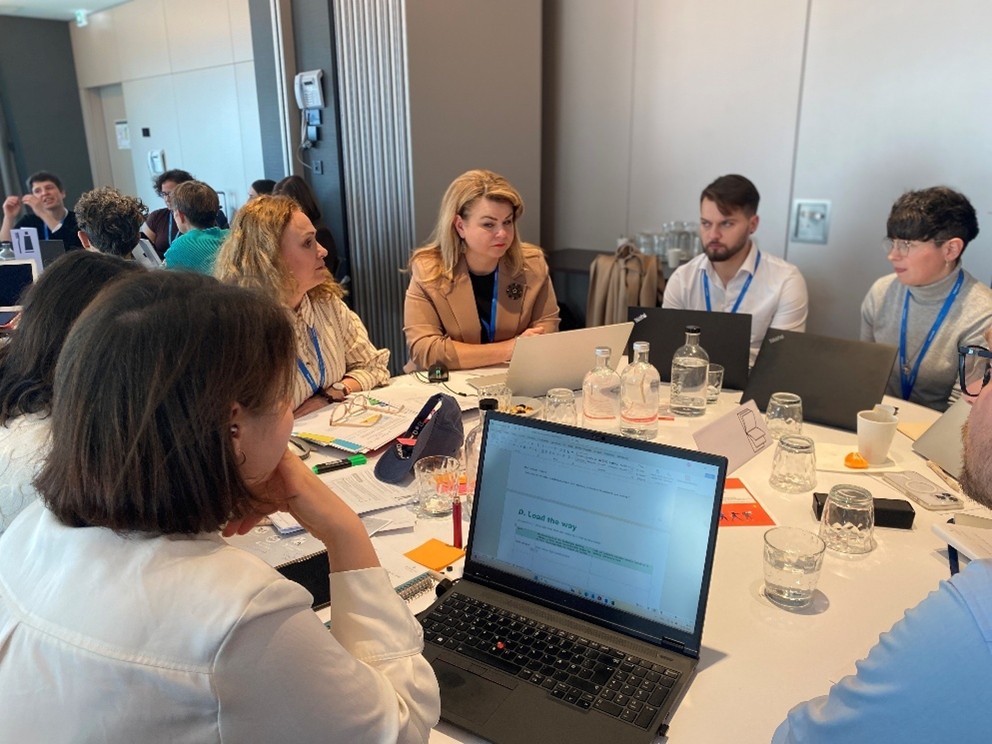
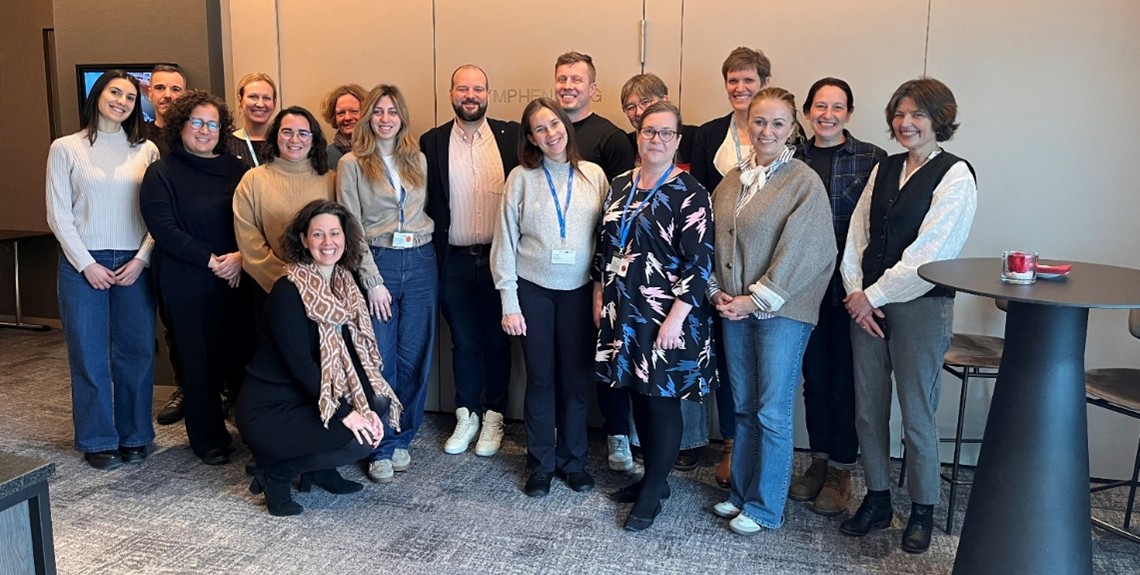
In February 2026, representatives from five Interreg programmes met in Munich with Interact and the Interreg North Sea Programme to examine whether the approach could be adapted more widely across Interreg. The workshop focused on how results are sustained beyond the lifetime of a project.

Turning project results into long-term impact
The TakeUP concept is based on a framework known as the '7 essentials', developed by the Interreg North Sea Programme to guide projects through the capitalisation process.
At the heart of the framework is the 'North Star', a shared ambition for the project’s future impact that project partners work towards together. The remaining essentials focus on the practical steps needed to reach that goal, helping projects think beyond implementation and plan how their results can continue to create value after funding ends.
Since 2023, the Interreg North Sea Programme has organised TakeUP workshops for its projects, helping them understand and apply the concept in practice. The Munich event marked the first large-scale transfer workshop designed specifically to support other Interreg programmes in adapting the approach.
Throughout the workshop, participants explored the 7 essentials through interactive sessions and group exercises. By the end of the event, projects had developed their own draft road maps for capitalisation using a dedicated TakeUP workbook.
A growing interest in capitalisation across Interreg
The discussions in Munich reflected a broader shift taking place across Interreg programmes. Increasingly, programmes are looking beyond project delivery itself and focusing more closely on how successful approaches can continue to be used, transferred or scaled after projects end.
For many participants, the value of the TakeUP approach lay in its practical structure. Rather than treating capitalisation as a final reporting exercise, the methodology encourages projects to think about long-term uptake from the beginning.
The workshop also highlighted the growing exchange of practices between Interreg programmes themselves. Programme representatives explored how the methodology could be adapted to different regional contexts and funding priorities.
One participant said the workshop helped them better understand “how projects can live longer than the end date”, while others highlighted the practical tools for extending project impact beyond funding periods.
Five programmes participated in the transfer event:
- Interreg Germany–Denmark
- Interreg Italy–France (Maritime)
- Interreg South Baltic
- Interreg Central Baltic
- Interreg Atlantic Area
Several programmes are already planning follow-up activities.
The Interreg South Baltic Programme intends to organise its first TakeUP workshop in September 2026. Meanwhile, the Interreg NPA Programme, which previously participated in a North Sea TakeUP workshop, has already tested a lighter version of the methodology at two separate events and is now preparing a full workshop for its projects.
These developments show how approaches developed within one Interreg programme can be adapted and transferred across regions, helping programmes strengthen the long-term impact of their projects.

From a programme initiative to a wider Interreg approach
The Munich discussions also illustrated how approaches developed within one Interreg programme can gradually spread across the wider Interreg community.
Originally developed by the Interreg North Sea Programme, the TakeUP methodology is now attracting interest from programmes working in very different geographical and thematic contexts. The Interact Programme is expected to play a growing role in supporting that transfer and helping programmes adapt the approach to their own needs.
Interest in the workshop exceeded available places, with 12 programmes expressing interest in participating. Interact now plans to organise additional TakeUP Transfer events to support more programmes interested in applying the approach.
At the same time, Interact will further develop the TakeUP toolkit, making it easier for programmes to adapt and customise the methodology to their own needs and contexts.
Programmes interested in exploring the TakeUP approach are encouraged to contact Interact for further information and support.
Interested in joining a future TakeUP Transfer event?
The Interact Programme is preparing additional TakeUP Transfer events to help more Interreg programmes learn about the methodology and explore how similar workshops can be organised with their own projects.
Programmes interested in participating in future editions are invited to contact Interact to express their interest.
Header photo: North-Sea Programme