

What Interreg changes on the ground in Montenegro
The Bay of Kotor is a shared territory. Wildfires, pollution and the pressures of tourism do not stop at national borders. The challenges facing communities around the bay are often similar, even when the services and institutions responsible for addressing them are in different countries.
Interreg cooperation helps bring these neighbours together. Around 20 projects funded by 11 cooperation programmes connect municipalities, universities, schools and public services in Montenegro with partners in Croatia, Bosnia and Herzegovina, Italy, Albania and other countries in the Adriatic-Ionian region. On 4 November 2026, the European Commission adopted its 2026 Enlargement Package. This year’s package. Montenegro is close to the final stage of its accession process.
A study visit organised during Interact's 19th Regional Network Meeting offered a closer look at some of this work. The examples show how cooperation can lead to practical changes in emergency services, public buildings, marine research, tourism and accessibility.
From separate emergency services to a shared response
Wildfires and other emergencies can affect several communities across a border. Responding effectively requires services to communicate, share information and coordinate their actions.
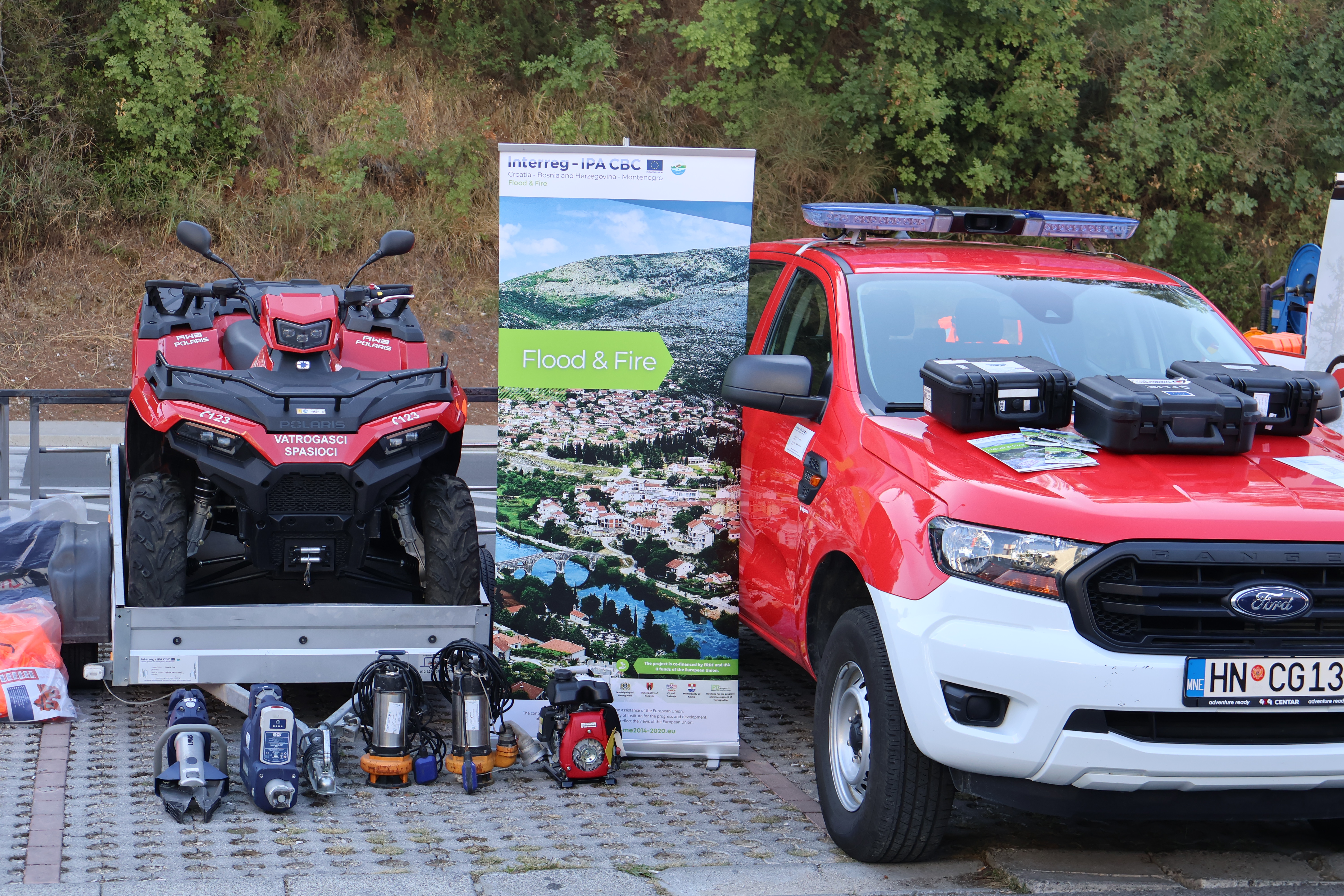
In Herceg Novi, Trebinje, Konavle and Ravno, partners from three countries are working together to improve disaster management. A Disaster Management Communication Centre in Herceg Novi collects information from the field and helps coordinate responses. The municipality provides the premises, equipment and staff.
The cooperation also involves firefighters from Herceg Novi and West Herzegovina Canton. Together, they have assessed wildfire risks and prepared an action plan. They are also training as a cross-border rescue team, supported by a new fire vehicle and a thermal imaging camera.
The aim is to strengthen the ability of neighbouring communities to respond to emergencies that do not follow national borders.

Public buildings that use less energy
Cooperation is also helping local authorities improve the energy performance of public buildings.
At the Igalo Sports Centre, lighting has been replaced with LED systems and smart controls. The changes have reduced electricity consumption by 64%, saving around 40,000 kWh per year. A high-efficiency wood boiler has also been installed.
This work is part of wider cooperation involving partners in Tuzla and Vukovar. In Tivat, activities include more efficient public lighting, solar water heating and panels, as well as the work of an energy team using thermal cameras and meters.
These examples show how cooperation can help public institutions share knowledge and introduce practical measures to use energy more efficiently.
A bay that creates knowledge and jobs
The sea is central to life around the Bay of Kotor, but protecting it and making sustainable use of its resources requires knowledge, research and cooperation.
At the Institute of Marine Biology in Kotor, cooperation with partners in Italy and Albania has supported the development of a laboratory and an oyster hatchery. The hatchery gives Montenegro the possibility to produce its own oyster seed and share techniques with local producers.
The Blue Economy Training Centre is another initiative aimed at supporting skills and employment in areas such as blue tourism, aquaculture, marine technology and biotechnology.
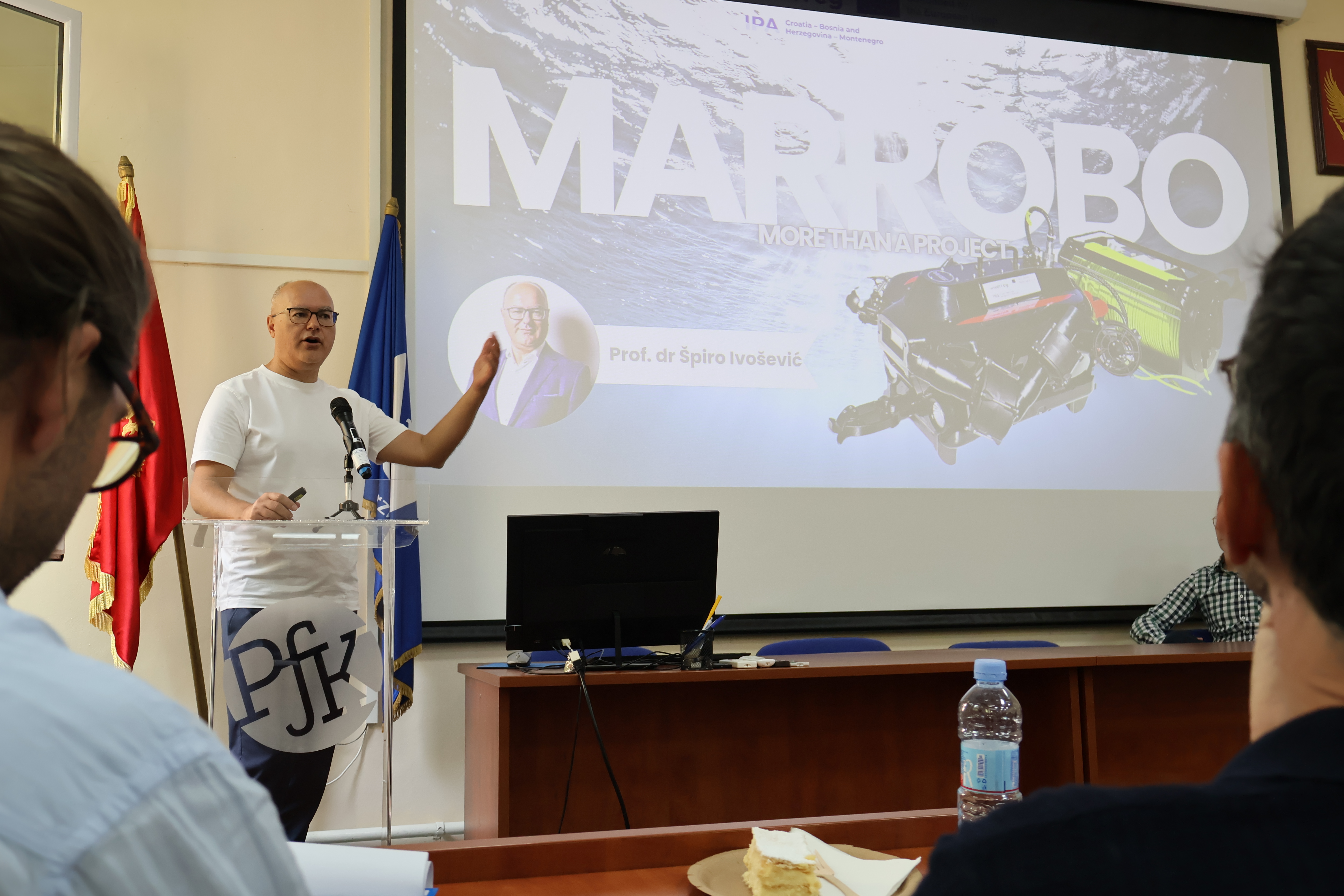
Research is also helping partners better understand pressures on the marine environment. At the Faculty of Maritime Studies, an underwater robot is used to collect samples of microplastics and metals at five locations, before and after the summer boating season. Croatian partners and partners in Neum are also involved in developing certified training in marine robotics.
Other activities focus on measuring ferry emissions and noise from cruise ships underwater. Teams are also working with fishers, students and volunteers to collect marine litter, locate and remove abandoned boats, known as ghost boats, and recycle the recovered plastic.
Together, these initiatives connect research, training and practical action to address challenges affecting the Adriatic Sea.

Bringing visitors beyond the beach and summer season
Tourism is an important part of the region's economy, but cooperation can also help communities attract visitors beyond the coast and the summer months.
Around the Bay of Kotor and in the wider area, projects are developing new ways to present local heritage and natural attractions. At Kanli Kula fortress, visitors can explore the site through augmented reality and a documentary. Conservation work at Forte Mare and Španjola fortress is accompanied by creative activities, while Orjen Nature Park is developing activities throughout the year.
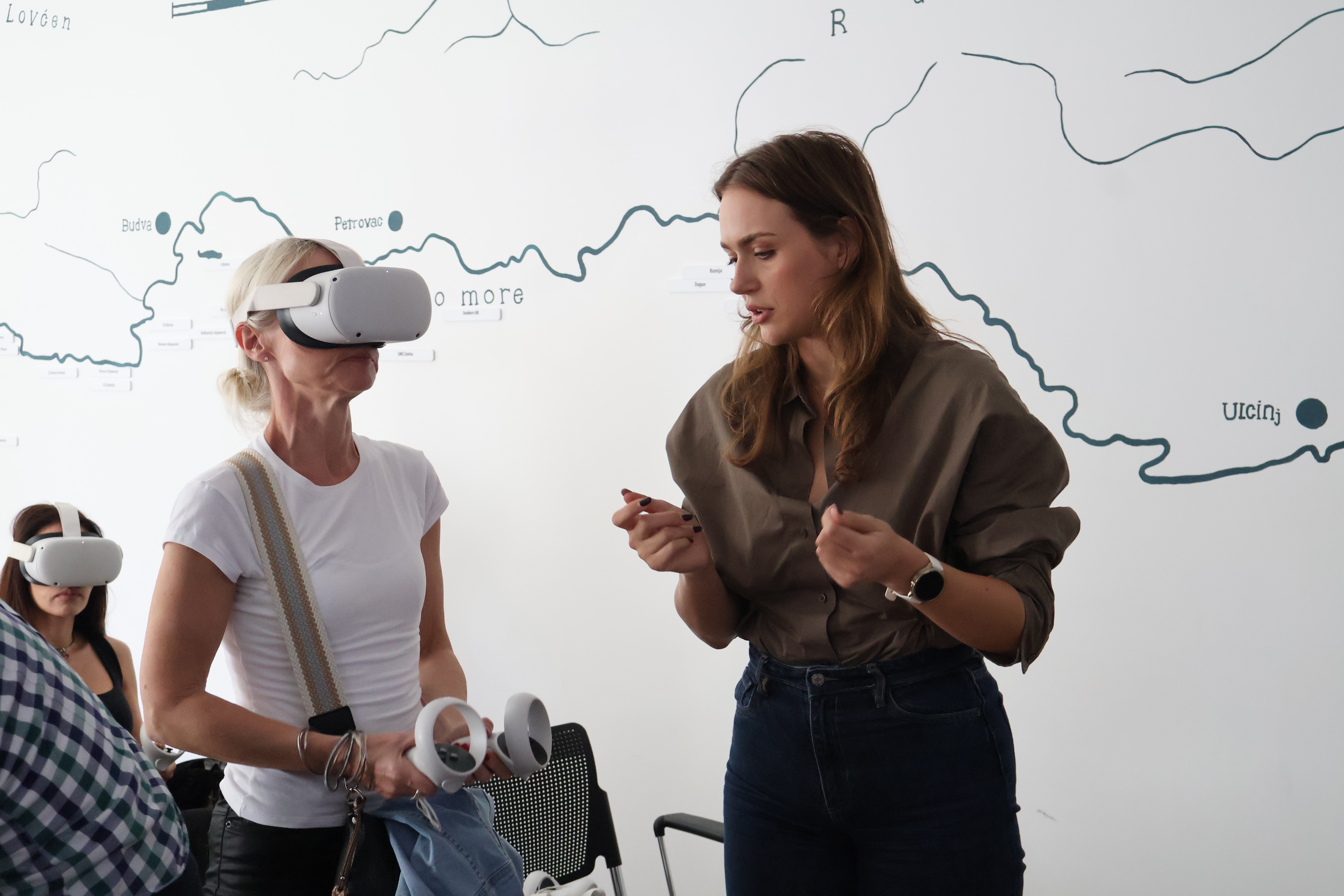
Cooperation is also creating new ways to connect destinations. A virtual reality showroom about shipwrecks in Kotor is part of a route shared with Split and Mostar. In Kotor, the Aquarium Boka offers another way to discover marine life.

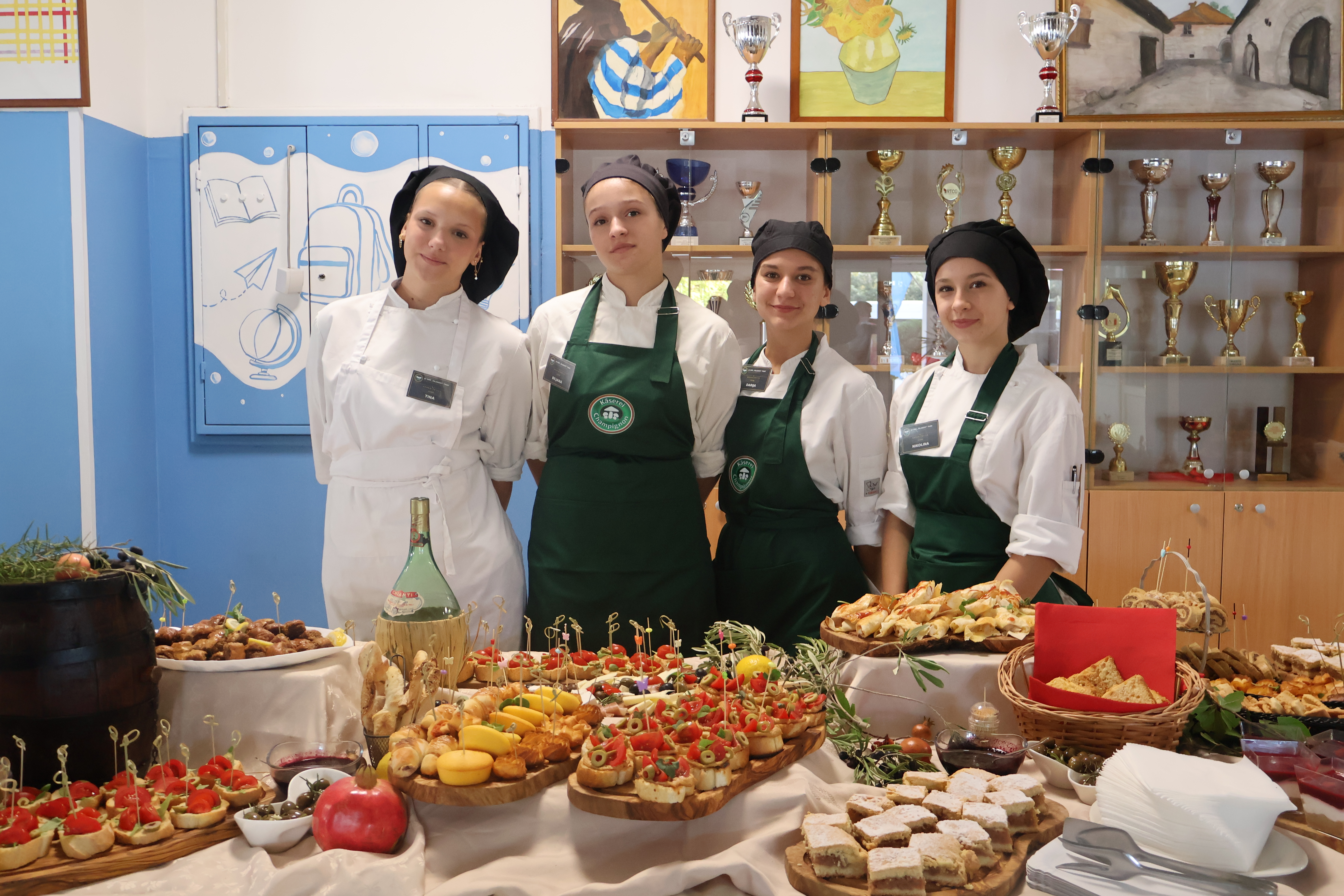
Meanwhile, students at Tivat Secondary School Mladost are involved in a culinary showroom presenting traditional recipes and cross-border culinary routes.
These activities help connect cultural heritage, nature and local traditions with new experiences for visitors.

Travel designed with the people who use it
Making public services accessible means understanding the needs of the people who use them.
At Podgorica Airport, improvements have been informed by people with disabilities. They include hearing loops, the airport's first fully wheelchair-accessible service counter and an information totem with seven videos in Montenegrin Sign Language. The example shows how involving users can help make public spaces and services more accessible.
Making sure results continue
For cooperation to have a lasting effect, results need to remain useful after a project ends. This often depends on whether local institutions and organisations can take responsibility for continuing the work.
Some examples around the Bay of Kotor show how this can happen. The municipality of Herceg Novi provides staff and equipment for the Disaster Management Communication Centre. The oyster hatchery can supply local producers, while the Blue Economy Training Centre supports skills development.
The emergency management partners have also signed a memorandum of understanding. Tuzla and Herceg Novi are preparing a friendship agreement.
These arrangements provide a basis for continued cooperation and for keeping project results in use.
Cooperation that makes a difference locally
Montenegro's experience shows how Interreg cooperation can help neighbouring communities address challenges they share. Whether the issue is emergency response, energy use, marine protection, tourism or accessibility, working across borders gives local institutions and organisations opportunities to share knowledge and develop solutions together.
For a country that participates in European territorial cooperation as a candidate country, these partnerships are also a practical way of working with neighbours and building links across the region.
The results are not only found in project reports. They can be seen in an emergency centre, a public building, a research laboratory, a training centre or an airport service. They show what cooperation can make possible when people and institutions work together across borders.
Header photo: Ludivine Porret © Interact programme